ProMIS Neurosciences is a clinical-stage biotechnology company driven to transform the lives of people living with neurodegenerative diseases caused by toxic misfolded proteins. Our company name (pronounced “Promise”) derives from “protein misfolding,” the underlying pathology behind many neurodegenerative diseases.
Our innovative EpiSelect™ platform combines physics and biology with proprietary computational algorithms that enable us to predict and then validate unique high-value targets (epitopes) on misfolded proteins known to cause debilitating, progressive diseases.
With a focus on the disease process of complex neurodegenerative diseases like Alzheimer’s disease (AD), Amyotrophic Lateral Sclerosis (ALS), and Parkinson’s disease (PD), we are advancing a growing pipeline of precision therapeutic antibodies and targeted vaccines that are designed to be selective only for the misfolded toxic forms of pathogenic proteins (typically the aggregates of these proteins called oligomers), while sparing the properly folded, healthy form of the same protein. In doing so, our aim is to minimize off-target binding that can affect the potency, effectiveness, and safety of therapeutics.
ProMIS is a public company trading under the Nasdaq symbol PMN with offices in Cambridge, Massachusetts and Toronto, Ontario.
Leadership
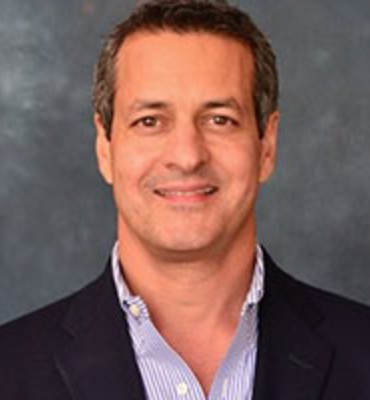
Neil K. Warma
President and Chief Executive Officer
Neil K. Warma
President and Chief Executive Officer
Neil Warma has been a successful healthcare entrepreneur for over 25 years having managed and advised numerous biotechnology and pharmaceutical companies across the globe. Mr. Warma became interim CEO of ProMIS Neurosciences in January 2024. Prior to that he was CEO, Representative Director and Board Member of Genexine, Inc. (095700.KQ) a public, global biopharmaceutical company based in Seoul, South Korea, where he led the company’s restructuring and commercialization of its first products.
Previously, Mr. Warma was the US General Manager of I-Mab Biopharma U.S., (Nasdaq:IMAB) a publicly traded global biopharmaceutical company focused on oncology, with offices in Shanghai, Hong Kong, San Diego and Gaithersburg, where he was responsible for the expansion of global operations and a key driver in I-Mab’s U.S. IPO.
Prior to that, Mr. Warma was President and CEO of Opexa Therapeutics, Inc. (Nasdaq:OPXA), a publicly traded biopharmaceutical company developing novel cellular therapies for autoimmune diseases. Prior to Opexa, he was CEO of Viron Therapeutics, a private biotechnology company developing novel protein-based therapeutics for cardiovascular disease and transplantation.
Mr. Warma spent several years in key management roles at Novartis Pharmaceuticals at its corporate headquarters in Basel, Switzerland in Global Marketing and as Head of International Pharma Policy. He was also President and Co-Founder of MedExact, a health-technology company dedicated to providing an interface between physicians and pharmaceutical companies, which he later sold.
Mr. Warma currently serves on the Board of Directors of the Biotechnology Innovation Organization (BIO). Mr. Warma obtained an honors Bachelor of Science degree specializing in Neuroscience from the University of Toronto and an International MBA from the Schulich School of Business at York University in Toronto.
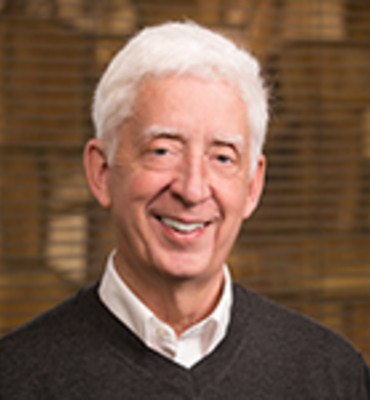
Larry Altstiel, M.D., Ph.D.
Chief Medical Officer
Larry Altstiel, M.D., Ph.D.
Chief Medical Officer
Larry Altstiel, M.D., Ph.D. brings years of medical expertise in neurodegenerative diseases and experience in academia, patient care, and the pharmaceutical industry. He received his Ph.D. in cell biology, virology, and physical chemistry from The Rockefeller University, completed a NIH postdoctoral fellowship in cell biology at The Biological Laboratories, Harvard University and received an M.D. from the University of Miami Leonard M. Miller School of Medicine. He completed a residency in Neurology at the Neurological Institute of New York, Columbia University College of Physicians and Surgeons. with additional fellowship training in Neurovirology. He was the Attending Physician at the Mount Sinai Alzheimer’s Disease Research Center and his laboratory research was centered on the role of neuroinflammation in neurodegenerative diseases and genetics of Alzheimer’s disease and schizophrenia. He was Group Leader of Neurodegenerative Diseases at Eli Lilly where he was involved in both pre-clinical and early phase clinical research in Alzheimer’s Disease and Parkinson’s Disease. At Pfizer, as vice president and head of neuroscience clinical research, Larry led the selection of drug candidates, development and oversight of multiple preclinical studies and clinical studies from Phase 1 through Phase 3 for psychiatry and neurology indications. He has authored numerous publications and holds several patents.
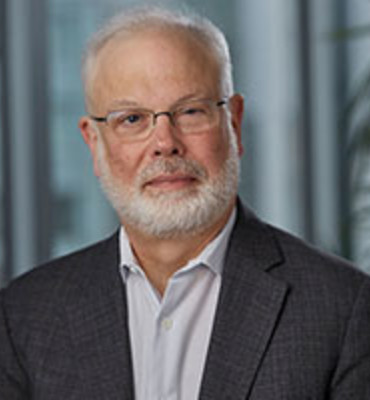
Neil Cashman, M.D.
Chief Scientific Officer and Co-founder
Neil Cashman, M.D.
Chief Scientific Officer and Co-founder
Dr. Cashman is a physician and scientist focused on neurodegenerative diseases. His first academic posting was at Montreal Neurological Institute and Hospital of McGill University. From 1998 to 2005, he was the Diener Professor of Neurodegenerative Diseases at the University of Toronto. In 2005, Professor Cashman moved to the University of British Columbia, where he held the Canada Research Chair in Neurodegeneration and Protein Misfolding Diseases (2005-2019) and served as the Director of the UBC ALS Centre until 2022. He has procured over $50 million in research grant funding from the CIHR, CRC, NCE, NIH, and various corporations for his work involving protein misfolding and prion technologies. He was awarded the Jonas Salk Prize for biomedical research in 2000 and was elected a Fellow of the Canadian Academy of Health Sciences in 2008. He is recognized worldwide as one of the leading research scientists pioneering the emerging fields of prion biology and protein misfolding diseases, in particular Alzheimer’s disease and amyotrophic lateral sclerosis (ALS).
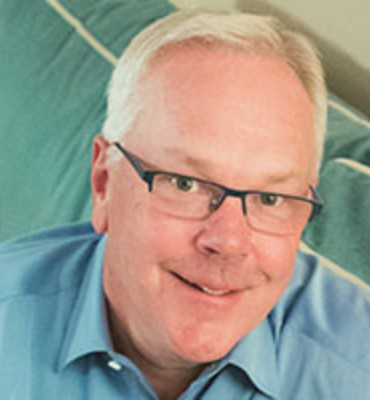
Daniel Geffken
Chief Financial Officer

Daniel Geffken
Chief Financial Officer
Daniel Geffken is a Founding Managing Director of Danforth Advisors, LLC, a consulting firm providing finance, operations and strategic support to life science companies. He brings more than 30 years of experience in the life science industry to his work with ProMIS, ranging from start-ups to publicly traded companies with $1 billion+ market capitalizations. He previously served as COO or CFO of four publicly traded and several privately held life science companies, in addition to his consulting clients. Daniel has been chief financial officer of Homology, Inc., Transkaryotic Therapies, Inc., Cidara, Inc., Cabaletta Bio, Inc., Apellis, Inc. and Stealth BioTherapeutics, Inc. He has raised more than $1 billion in equity and debt securities for life science companies. Daniel holds a BS from The Wharton School, University of Pennsylvania, and MBA from Harvard Business School.
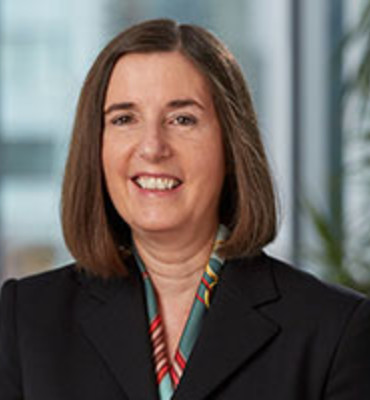
Johanne Kaplan, Ph.D.
Chief Development Officer
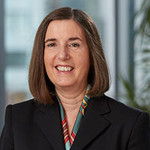
Johanne Kaplan, Ph.D.
Chief Development Officer
Johanne Kaplan is a former VP of Research at Sanofi Genzyme. Over the course of her 23-year career at Genzyme, Dr. Kaplan directed pioneering research leading to the implementation of multiple clinical trials in the fields of gene therapy, cancer immunotherapy and autoimmunity. Most recently, as VP of Neuroimmunology Research, Dr. Kaplan led the contribution of the Genzyme science team supporting the approval of Lemtrada (alemtuzumab) and Aubagio (teriflunomide) for the treatment of relapsing-remitting multiple sclerosis. She also established partnerships for the development of novel therapies for neuroinflammatory disorders. Prior to joining Genzyme, Dr. Kaplan was an Associate Immunopathologist at SmithKline Beecham where she established an Immunotoxicology program. Her work has resulted in over 70 scientific publications and multiple patents. Dr. Kaplan holds a PhD in Microbiology & Immunology from McGill University in Montreal, Canada and conducted post-doctoral studies at the Albert Einstein College of Medicine in New York, USA.
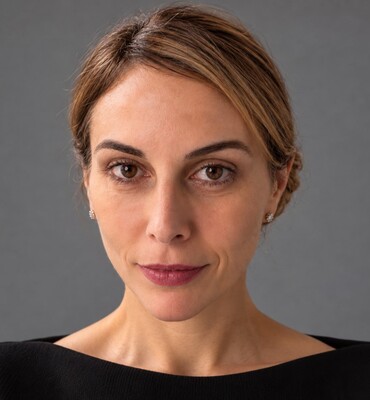
Ivana Rubino, Ph.D.
Chief Commercial Officer

Ivana Rubino, Ph.D.
Chief Commercial Officer
Ivana Rubino, Ph.D., brings more than 15 years of global biopharmaceutical experience across Alzheimer's disease, multiple sclerosis, neuropsychiatry, and rare diseases. Her expertise spans medical affairs, clinical development strategy, launch readiness, and commercialization. Prior to joining ProMIS, she held senior leadership roles at Biogen and F. Hoffmann-La Roche, most recently serving as Vice President and Global Head of Alzheimer's Disease & Multiple Sclerosis Medical at Biogen.
Dr. Rubino holds a Ph.D. in Immunology and Molecular Biology from the University of Lausanne and master's degrees from the University of Milan and the University of Paris VII.
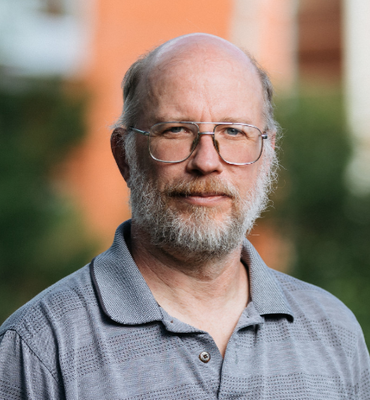
David Wishart, Ph.D.
Chief Physics Officer

David Wishart, Ph.D.
Chief Physics Officer
Dr. David Wishart is a Distinguished University Professor in the Departments of Biological Sciences and Computing Science at the University of Alberta. He also holds adjunct appointments with the Faculty of Pharmaceutical Sciences and with the Department of Pathology and Laboratory Medicine. He has been with the University of Alberta since 1995. Dr. Wishart has been studying protein folding and misfolding for more than 30 years using a combination of computational and experimental approaches. These experimental approaches include NMR spectroscopy, circular dichroism, fluorescence spectroscopy, electron microscopy, protein engineering and molecular biology. The computational methods include molecular dynamics, agent-based modeling, bioinformatics and machine learning. Over the course of his career, Dr. Wishart has published more than 430 scientific papers covering many areas of protein science including structural biology, protein metabolism and computational biochemistry. These papers have been cited more than 78,000 times. Dr. Wishart has been awarded research grants totaling more than $130 million from a number of funding agencies including CIHR, NSERC, NIH, Genome Canada, CFI, NRC, APRI, PrioNET, PENCE and Compute Canada. Dr. Wishart has also led or directed a number of core facilities and centres including the Canadian Bioinformatics Help Desk, the PENCE bioinformatics core facility, the NRC Nano Life Sciences Division, the PrioNet Prion Protein and Plasmid Production Facility, and the Pan-Alberta Metabolomics Platform (PANAMP). Dr. Wishart currently co-directs The Metabolomics Innovation Centre (TMIC), Canada’s national metabolomics laboratory. Dr. Wishart held the Bristol-Myers Squibb Research Chair in Pharmaceutical Sciences from 1995-2005, received the Astra-Zeneca-CFPS Young Investigator Prize in 2001, was awarded a Lifetime Honorary Fellowship by the Metabolomics Society in 2014 and elected as a Fellow of the Royal Society of Canada in 2017. Dr. Wishart has been identified as one of the world’s most highly cited scientists for each of the past 7 years.
Board of Directors
Neil K. Warma
President and Chief Executive Officer
Neil K. Warma
President and Chief Executive Officer
Neil Warma has been a successful healthcare entrepreneur for over 25 years having managed and advised numerous biotechnology and pharmaceutical companies across the globe. Mr. Warma became interim CEO of ProMIS Neurosciences in January 2024. Prior to that he was CEO, Representative Director and Board Member of Genexine, Inc. (095700.KQ) a public, global biopharmaceutical company based in Seoul, South Korea, where he led the company’s restructuring and commercialization of its first products.
Previously, Mr. Warma was the US General Manager of I-Mab Biopharma U.S., (Nasdaq:IMAB) a publicly traded global biopharmaceutical company focused on oncology, with offices in Shanghai, Hong Kong, San Diego and Gaithersburg, where he was responsible for the expansion of global operations and a key driver in I-Mab’s U.S. IPO.
Prior to that, Mr. Warma was President and CEO of Opexa Therapeutics, Inc. (Nasdaq:OPXA), a publicly traded biopharmaceutical company developing novel cellular therapies for autoimmune diseases. Prior to Opexa, he was CEO of Viron Therapeutics, a private biotechnology company developing novel protein-based therapeutics for cardiovascular disease and transplantation.
Mr. Warma spent several years in key management roles at Novartis Pharmaceuticals at its corporate headquarters in Basel, Switzerland in Global Marketing and as Head of International Pharma Policy. He was also President and Co-Founder of MedExact, a health-technology company dedicated to providing an interface between physicians and pharmaceutical companies, which he later sold.
Mr. Warma currently serves on the Board of Directors of the Biotechnology Innovation Organization (BIO). Mr. Warma obtained an honors Bachelor of Science degree specializing in Neuroscience from the University of Toronto and an International MBA from the Schulich School of Business at York University in Toronto.
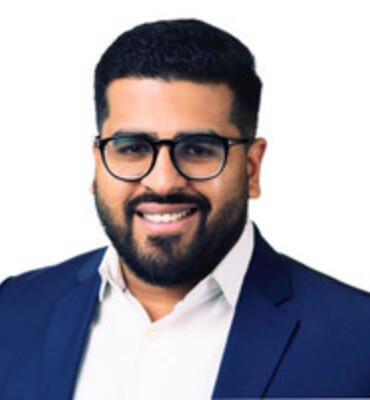
Slanix Paul Alex, Pharm.D.
Independent Director

Slanix Paul Alex, Pharm.D.
Independent Director
Dr. Alex joined Ally Bridge Group in 2023 and is the President and Portfolio Manager for the Public Equity strategy. Before joining Ally Bridge Group, Slanix invested in life sciences companies as a founding Partner and Senior Analyst for Tri Locum Partners and previously as an Investment Analyst for Consonance Capital Management. Prior to the buy-side, Slanix worked in sell-side biotechnology equity research at RBC Capital Markets and Credit Suisse. Slanix began his career in strategy consulting at Bionest Partners, advising life sciences companies on business development and commercial strategy. Slanix is a licensed pharmacist and holds a PharmD from St John’s University.
Neil Cashman, M.D.
Chief Scientific Officer and Co-founder
Neil Cashman, M.D.
Chief Scientific Officer and Co-founder
Dr. Cashman is a physician and scientist focused on neurodegenerative diseases. His first academic posting was at Montreal Neurological Institute and Hospital of McGill University. From 1998 to 2005, he was the Diener Professor of Neurodegenerative Diseases at the University of Toronto. In 2005, Professor Cashman moved to the University of British Columbia, where he held the Canada Research Chair in Neurodegeneration and Protein Misfolding Diseases (2005-2019) and served as the Director of the UBC ALS Centre until 2022. He has procured over $50 million in research grant funding from the CIHR, CRC, NCE, NIH, and various corporations for his work involving protein misfolding and prion technologies. He was awarded the Jonas Salk Prize for biomedical research in 2000 and was elected a Fellow of the Canadian Academy of Health Sciences in 2008. He is recognized worldwide as one of the leading research scientists pioneering the emerging fields of prion biology and protein misfolding diseases, in particular Alzheimer’s disease and amyotrophic lateral sclerosis (ALS).
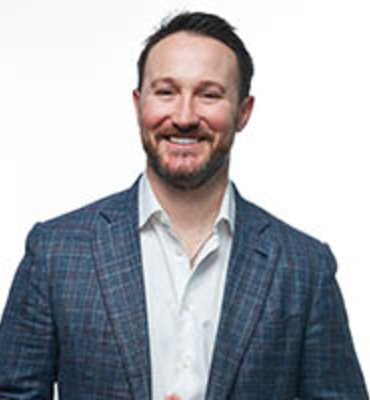
Josh Mandel-Brehm
Independent Director
Josh Mandel-Brehm
Independent Director
Josh Mandel-Brehm is President & Chief Executive Officer of CAMP4 Therapeutics and holds a dual appointment as entrepreneur partner with Polaris Partners. He is also a co-founder and board member for Vico Therapeutics, an oligonucleotide-based RNA modulating Company focused on developing therapeutics for patients suffering from rare CNS disorders.
Mr. Mandel-Brehm previously held key business development and operations leadership roles at leading biotech companies. Most recently he served as part of the Business Development group at Biogen, where he led multiple strategic activities and corresponding transactions, which included expanding Biogen’s non-malignant hematology franchise, overseeing seminal investments to enter the ophthalmology field and advancing Biogen’s gene therapy strategy. Prior to Biogen, Mr. Mandel-Brehm held several roles of increasing responsibility at Genzyme as part of the business development group for the company’s rare disease business unit.
Mr. Mandel-Brehm earned a BA in Biology from Washington University in St. Louis and holds an MBA from the University of Michigan.
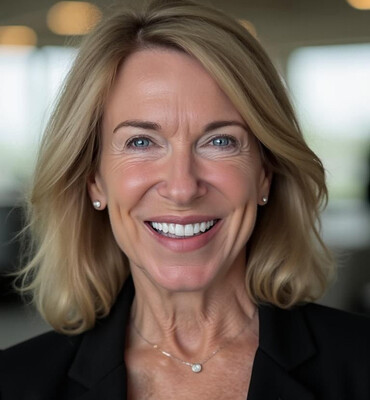
Maggie Shafmaster
Lead Independent Director
Maggie Shafmaster
Lead Independent Director
Maggie has almost 30 years of experience providing intellectual property advice to the biotechnology and pharmaceutical industries. She holds a B.A. in Biology from University of California, a Ph.D. in Molecular Biology and Virology from Cornell University Graduate School of Medical Sciences and a J.D. summa cum laude from New York Law School. After spending 8 years at the boutique IP firm of Fish & Neave in New York, Maggie spent 14 years at Genzyme, where she ultimately became Sr. Vice President and Chief Patent Counsel. In that role, she was responsible for providing strategic guidance and IP advice for major commercial and research transactions as well as for developing and implementing strategies to procure, license, defend and enforce Genzyme’s worldwide intellectual property. Upon Genzyme’s acquisition by Sanofi, Maggie became Vice President and Chief Patent Counsel at Sanofi Pasteur, where she was responsible for leading IP attorneys and agents in the U.S., Canada, France and India. In 2014, Maggie became an independent IP consultant, providing strategic advice related to IP portfolio development, commercial transactions and potential and ongoing patent and trade secret disputes.
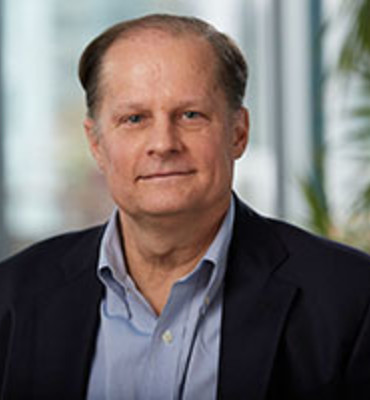
Eugene Williams
Chairman and Co-Founder
Eugene Williams
Chairman and Co-Founder
Eugene Williams is a former SVP at Genzyme, with senior roles integrating commercialization, drug development, and deal making. He is also an entrepreneur, as the founder and director of Adheris, which became the largest company in the patient adherence area. He was previously a strategy consultant at Bain and Corporate Decisions Inc. (a Bain Spin off, now part of Oliver Wyman), where he was co-Head of Healthcare and spent extensive time on speeding and improving the drug development process and on commercialization strategies. Mr. Williams was most recently the CEO of Dart Therapeutics, an Orphan Disease drug development company. Mr. Williams holds a BA from Harvard University and an MBA from Harvard Business School.
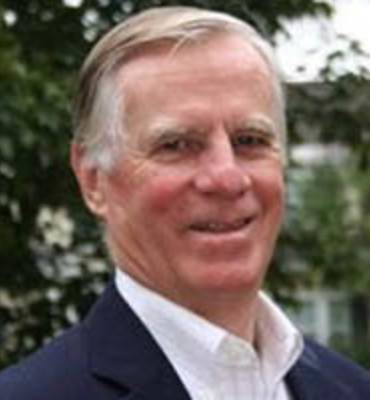
William Wyman
Independent Director
William Wyman
Independent Director
Bill Wyman is an advisor to corporate management teams in the pharmaceutical, finance and technology industries. He has served on some twenty-five Boards of Directors and Advisory Boards of both public and private companies. Prior to his advisory work, he co-founded Oliver Wyman & Company, today a leading global management consulting firm. Before founding Oliver Wyman, he was with Booz Allen and Hamilton (New York, Duesseldorf, Athens) as President and Managing Partner of Management Consulting Group, member of the Executive Committee and the Board of Directors. He received his BA from Colgate University, and an MBA from Harvard. Following his graduation from Colgate, he served four years in the U.S. Navy.