Leveraging Our Proprietary Platform to Target Critical Drivers of Disease

To view the webinar replay of “PRECISE-AD Phase 1b Blinded Interim Data Analysis"  Click Here

The Opportunity in Misfolded Proteins

Proteins are responsible for a vast number of natural processes throughout the human body. To function properly, a protein needs to fold into a specific three-dimensional structure called its native conformation. When misfolding occurs, proteins can become dysfunctional or toxic and can subsequently cause diseases called proteinopathies.

Targeting specific binding sites called epitopes on these toxic misfolded proteins has become a rich source of new drug discovery, particularly in the field of neuroscience. However, the industry has been challenged to identify and then selectively target just those epitopes that are toxic/disease-causing, resulting in high rates of off-target binding, which can affect the potency, effectiveness, and safety of therapeutics.

Normal Protein

Normal Protein

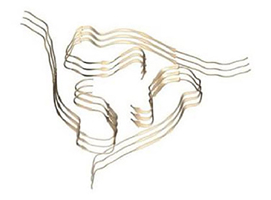
Folds into a specific shape to perform key physiologic functions essential for maintaining neuronal health.

Misfolded Protein

Misfolded Protein

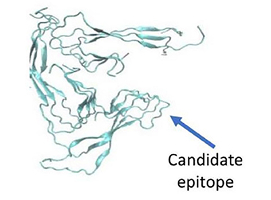
Improper folding (misfolding) exposes toxic portions of the protein. Usually in a particular shape or conformation.

The EpiSelectTM Advantage

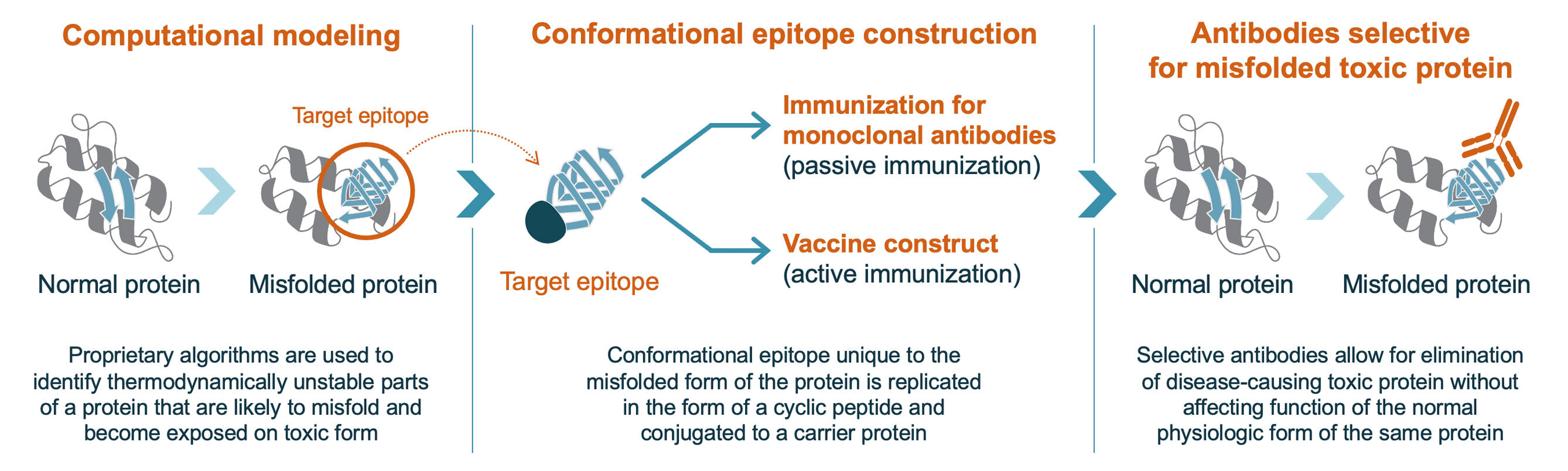
Our novel EpiSelect platform combines physics and biology with proprietary computational algorithms to predict and validate conformational epitopes. EpiSelect uses the physics of protein folding to find the precise weak spots that emerge when a protein misfolds. It does this by computationally “stressing” the protein to reproduce disease conditions and observe where it unravels. Once identified, we can then generate cyclic peptides to replicate the misfolded portion (conformational epitope) to generate therapeutic antibodies or design vaccines that selectively target the misfolded toxic forms of pathogenic proteins, while sparing the native, properly folded forms.
promis-platform-episelect-web-new.jpg

We believe that our approach uniquely enables the discovery of epitopes that exist only in the disease state. Conventional approaches typically use synthetic aggregates and/or linear peptides in their platforms, which can not only result in the identification of targets not unique to the toxic misfolded form of the protein, but also in the generation of antibodies whose non-specific binding can cause decreased efficacy, side effects, and dosing challenges.

Our Focus on Neurodegenerative Diseases

Hundreds of diseases are now known to be driven by protein misfolding. At ProMIS, we are principally focused on selectively targeting toxic oligomers that cause neurodegenerative diseases.

The prime targets of interest in our antibody and vaccine development programs include:

Target Protein: Amyloid Beta Oligomers (AβOs)
Primary Indication: Alzheimer’s Disease (AD)

Although present in much smaller concentrations than Aβ monomers and Aβ plaque, AβOs are believed to be a primary driver of Alzheimer’s disease linked to synaptic dysfunction. To date, all of the therapeutic candidates developed to target Aβ have exhibited non-selective binding across Aβ species and are associated with safety and efficacy challenges.

Target Protein: TDP-43
Primary Indications: Amyotrophic Lateral Sclerosis (ALS) and Frontotemporal Dementia (FTD)

TAR DNA-binding protein 43 (TDP-43) is essential to neuronal cell survival and plays an important role in RNA regulation. Misfolded pathogenic TDP-43 aggregates are frequently observed and implicated in several neurodegenerative diseases – the misfolded protein is estimated to be present in ~97% of ALS cases and 45–50% of FTD cases.

Target Protein: Pathogenic Alpha-Synuclein (α-syn)
Primary Indications: Parkinson’s Disease (PD), Dementia with Lewy Bodies (DLB) and Multiple System Atrophy (MSA)

Alpha-Synuclein (α-syn) plays an important role in synaptic activity, including regulating release of dopamine and maintaining synaptic vesicles. When misfolding occurs, α-syn forms toxic aggregates which are implicated in synucleinopathies, such as PD, DLB, and MSA.